
Adhesive capsulitis or ‘frozen shoulder’ is a condition which causes stiffening of the glenohumeral (shoulder) joint. It most commonly occurs in people between the ages of 40-60, and more often in women than men. The condition is self-limiting and resolves, on average, over 18 months.
This will depend on the stage of your condition, your assessment findings and individual goals. An example of a treatment plan might look like:
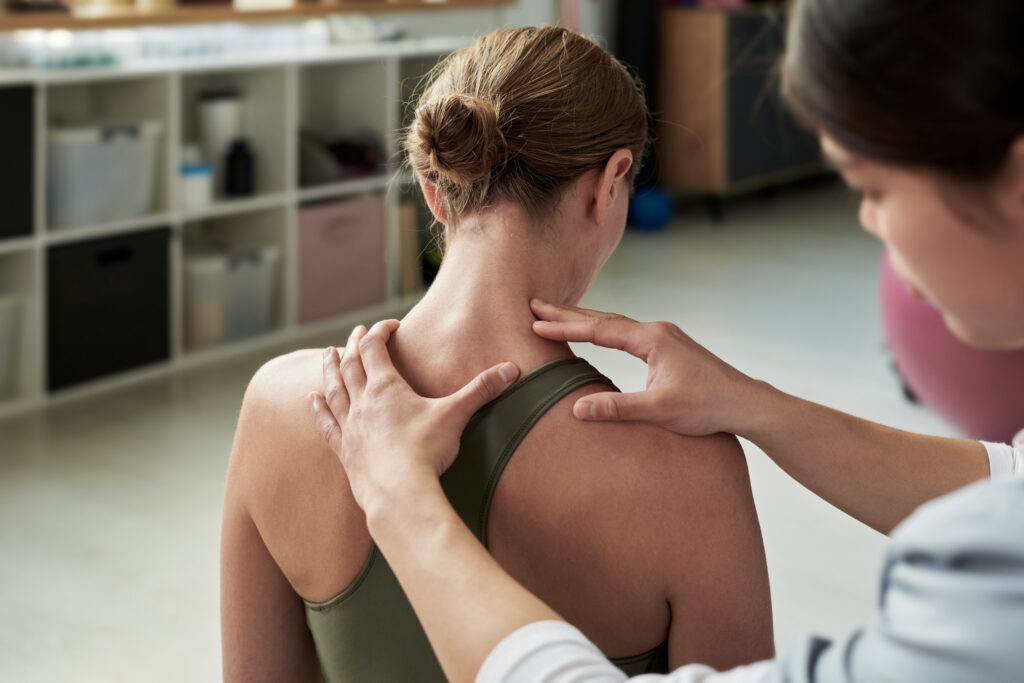

The rotator cuff is made up of four muscles that surround the shoulder joint, and help to stabilise your upper arm bone in the socket of the shoulder. Rotator cuff injuries are common and increase with age. Many rotator cuff injuries are ‘overuse’ injuries or occur over time with repeated movement. Sometimes, a rotator cuff injury can be caused by a single incident such as a fall.
This will depend on the severity of your injury, your clinical assessment, and your individual goals. An example of a treatment plan may look like:
A shoulder dislocation occurs when the top of the humerus (arm bone) is forced out of the shoulder socket. This is usually quite painful and limits movement until the bone can be relocated. Your shoulder is the most mobile joint in the body and is able to move with a large range of motion in all directions, however this mobility comes at the cost of stability of the joint.
This will depend on the severity of your injury, your clinical assessment, and your individual goals. An example of a treatment plan might look like:


Subacromial impingement is an umbrella term for pain which occurs in the shoulder and is localised to the subacromial space. This can occur due to rotator cuff injuries or inflammation of the bursa (bursitis). This condition usually develops over time and is more common in the elderly population.
Common shoulder surgeries include rotator cuff repairs and total shoulder replacements or reverse total shoulder replacements. All of these surgeries require follow up rehabilitation to help recover your normal range of motion and strengthen the shoulder. Post-surgical rehabilitation normally commences immediately after having a shoulder surgery, depending on your surgeon’s requirements.
Following surgery you may experience pain around the incision site and in the shoulder, stiffness of the shoulder (particularly if your arm is immobilised in a sling post-surgery), limited range of movement and a decrease in muscle strength. These are all normal experiences however rehabilitation aims to improve your movement and strength following surgery.
This will depend on your type of surgery, clinical assessment and individual goals. Recovery after surgery can take up to 3 months depending on the individual. An example of a treatment plan might look like:
